
Magtone: The High-Flying Picaro


THE MAGTONE SAGA is my latest release--a picaresque fantasy novel.
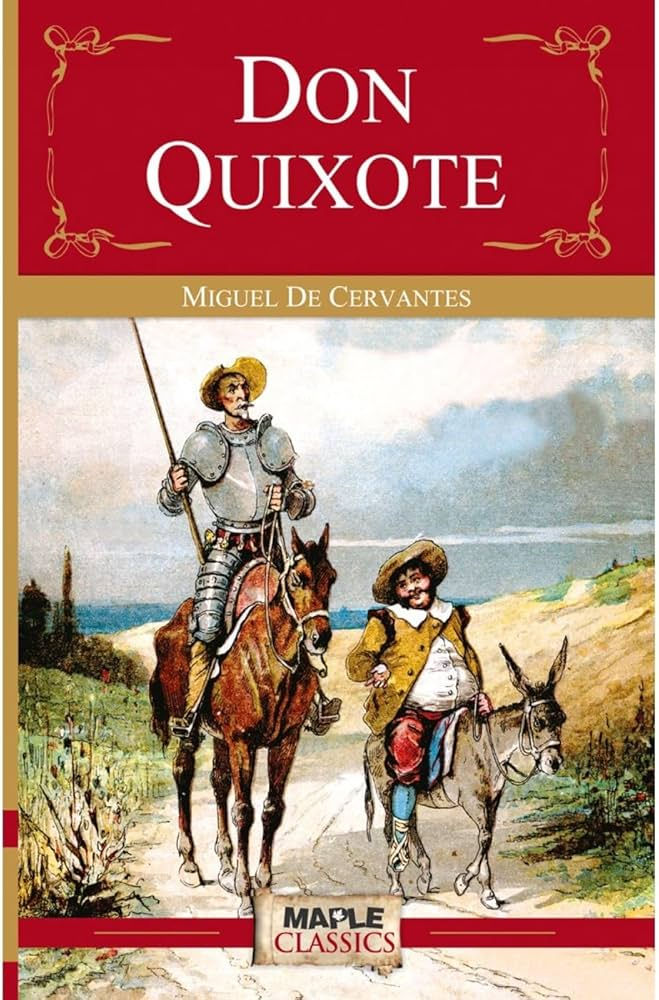
So what exactly is a "picaresque" novel? Well, it's a particular kind of novel about a "rough" or "dishonest" hero" who is nevertheless appealing, and this hero's story is told in an "episodic" style--meaning a series of related episodes. The best examples of well-known picaresque novels are probably Don Quixote by Miguel de Cervantes (1605), The Adventures of Huckleberry Finn by Mark Twain (1884), Gulliver’s Travels by Jonathan Swift (1726), and One Hundred Years of Solitude by Gabriel García Márquez (1967). However, there are plenty of other examples in the vast history of literature.
Focusing our investigation closer on the FANTASY genre, we find several fine examples of fantasy novels that are also picaresque: Jack Vance's The Eyes of the Overworld (1966), The Lies of Locke Lamora by Scott Lynch (2006), and Gentlemen of the Road by Michael Chabon (2007). There are, of course, plenty more of these in the broad realm of fantasy fiction. But what makes the picaresque approach so appealing to fantasy writers? So glad you asked...

There are three primary elements to the picaresque novel: the roguish protagonist (a charming, unethical, or underdog hero), the episodic structure (a plot focused on a series of loosely connected misadventures), and the opportunity for satire (seeing the world through a satirical or even cynical lens). "Outsider" heroes on satirical adventures.
The hero of the picaresque novel is known as the "picaro," and this storytelling tradition goes back to 16th Century Spain. There it began, and its popularity spread across Europe during the next two hundred years. The word "picaro" means rogue or rascal in Spanish. The picaro character was the first great "anti-hero" of Western literature, one that was born as a direct contrast to the idealized, chivalry-touting heroes of medieval romance. Heroes with dirt under their fingernails and imperfect morality, but scrappy ones who survive by their wits. A character that the "common man" can more easily relate to than chaste knights in armor or mythical demigods.

Defining elements of the picaresque novel include travel to various locales or kingdoms, adventures that defy class distinctions, and exposing the corrupt or hypocritical nature of traditional power structures. Picaros are often rebels, scoundrels, seditionists, thieves, or even madmen. They do not fit well into their society, but stand in opposition to it. They're travelers, vagrants, and wanderers discovering new lands where untold challenges await. All of this makes the picaresque tale extremely attractive to authors and readers alike. Of course, not all picaros are created equally, and no two picaros are exactly alike.
In THE MAGTONE SAGA, Magtone begins as a poet-thief in the ancient city of Karakutas, but when that city perishes, he finds himself charged with preserving its culture and legacy. His magic carpet carries him across an unknown world full of odd kingdoms, some of which are long dead, others in the process of being born.
Many of the episodes/chapters are told from a point-of-view which is not Magtone's own, but that of a person or creature who interacts with him. Passing through these weird realms, Magtone's metabolic sorcery often creates unexpected changes among those who cross his path. His mere presence becomes a catalyst for transformation, growth, and even transcendence. As he searches for the City of Walking Gods, he changes as well, driven toward an ultimate fate that he barely even understands.
Each episode of Magtone's journey appeared in the pages of WEIRDBOOK magazine over the course of five or six years, but I always planned to put them together under one cover. And now that day has come! As usual, I called upon the great Brian LeBlanc to work his artistic magic for the book's cover. The result was one of his best pieces yet.
THE MAGTONE SAGA officially launches on Thursday, April 2nd, in paperback and eBook formats. However, if you're one of the lucky few readers of this blog, you can go buy your copy RIGHT NOW. It's actually already on sale!
Peace & Broadswords,
John


Comments